A hardshell pop-top tent mounted on the roof, accessed from a ladder on the side of the van. It opens into a separate sleeping space for two, with an integrated foam mattress, so kids or guests get their own room while the main cabin stays uncluttered.
What sets the Aeroblade apart is how little it adds to the van. Closed, it’s just under three and a half inches tall and weighs about 110 lbs, with a hingeless aerodynamic shell that Mars reports carries roughly a third the drag of comparable tents. In practice that means the van doesn’t feel top heavy on winding roads and wind noise at highway speed is minimal. It’s a true four-season tent, with a triple-layer waterproof and breathable fabric, UPF 50 rated, automotive-grade gas struts, and billet aluminum latches. Setup and takedown take seconds, no tools. An insulated inner liner is available for cold-weather use.
It’s a tent, not an extension of the cabin. There’s no access from inside and it doesn’t share the interior heating or cooling. For occasional extra sleeping space, that’s a trade most people are happy to make given the difference in cost and weight versus the Cloud Cap. Solar panels still mount on top, the roof just isn’t walkable with the tent installed.
A hardshell pop-top tent mounted on the roof, accessed from a ladder on the side of the van. It opens into a separate sleeping space for two, with an integrated foam mattress, so kids or guests get their own room while the main cabin stays uncluttered.
What sets the Aeroblade apart is how little it adds to the van. Closed, it’s just under three and a half inches tall and weighs about 110 lbs, with a hingeless aerodynamic shell that Mars reports carries roughly a third the drag of comparable tents. In practice that means the van doesn’t feel top heavy on winding roads and wind noise at highway speed is minimal. It’s a true four-season tent, with a triple-layer waterproof and breathable fabric, UPF 50 rated, automotive-grade gas struts, and billet aluminum latches. Setup and takedown take seconds, no tools. An insulated inner liner is available for cold-weather use.
It’s a tent, not an extension of the cabin. There’s no access from inside and it doesn’t share the interior heating or cooling. For occasional extra sleeping space, that’s a trade most people are happy to make given the difference in cost and weight versus the Cloud Cap. Solar panels still mount on top, the roof just isn’t walkable with the tent installed.


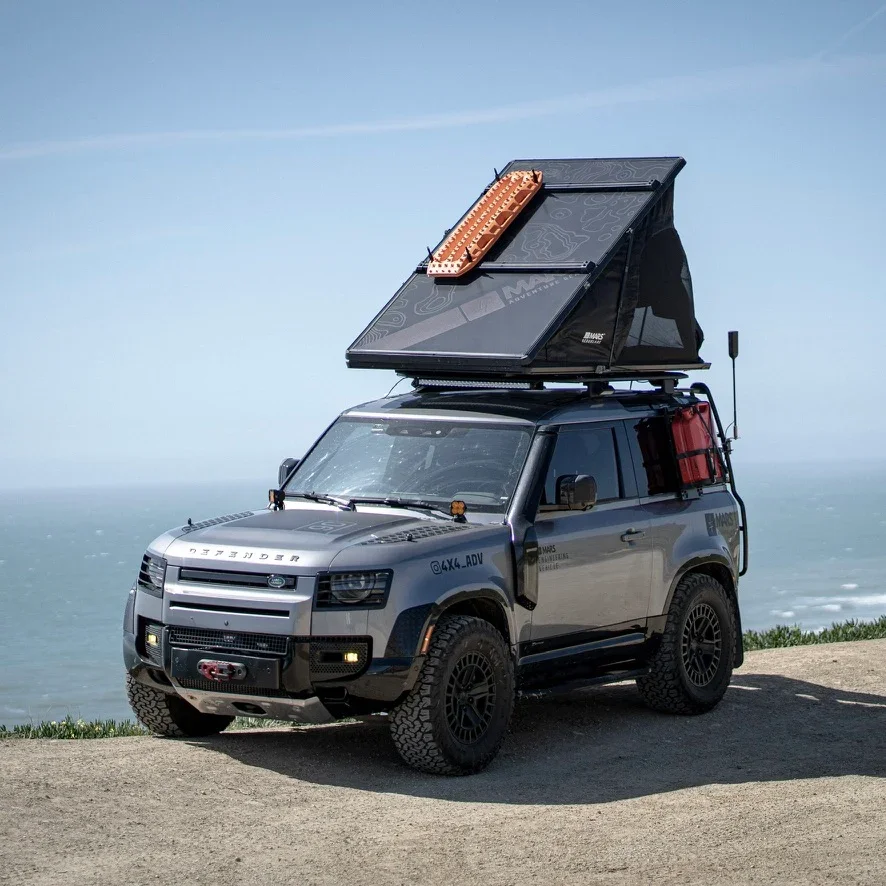 Image 1 of 12
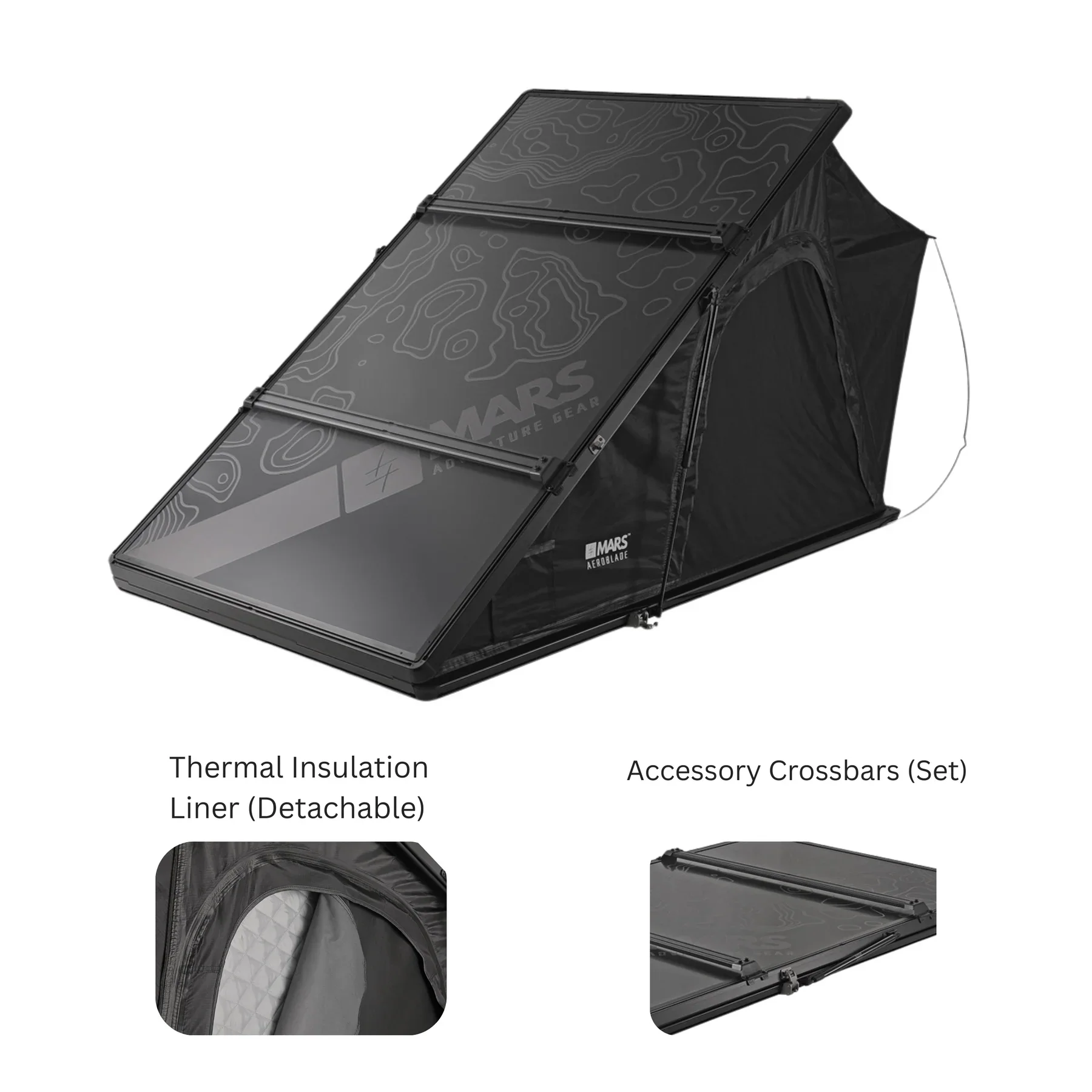 Image 2 of 12
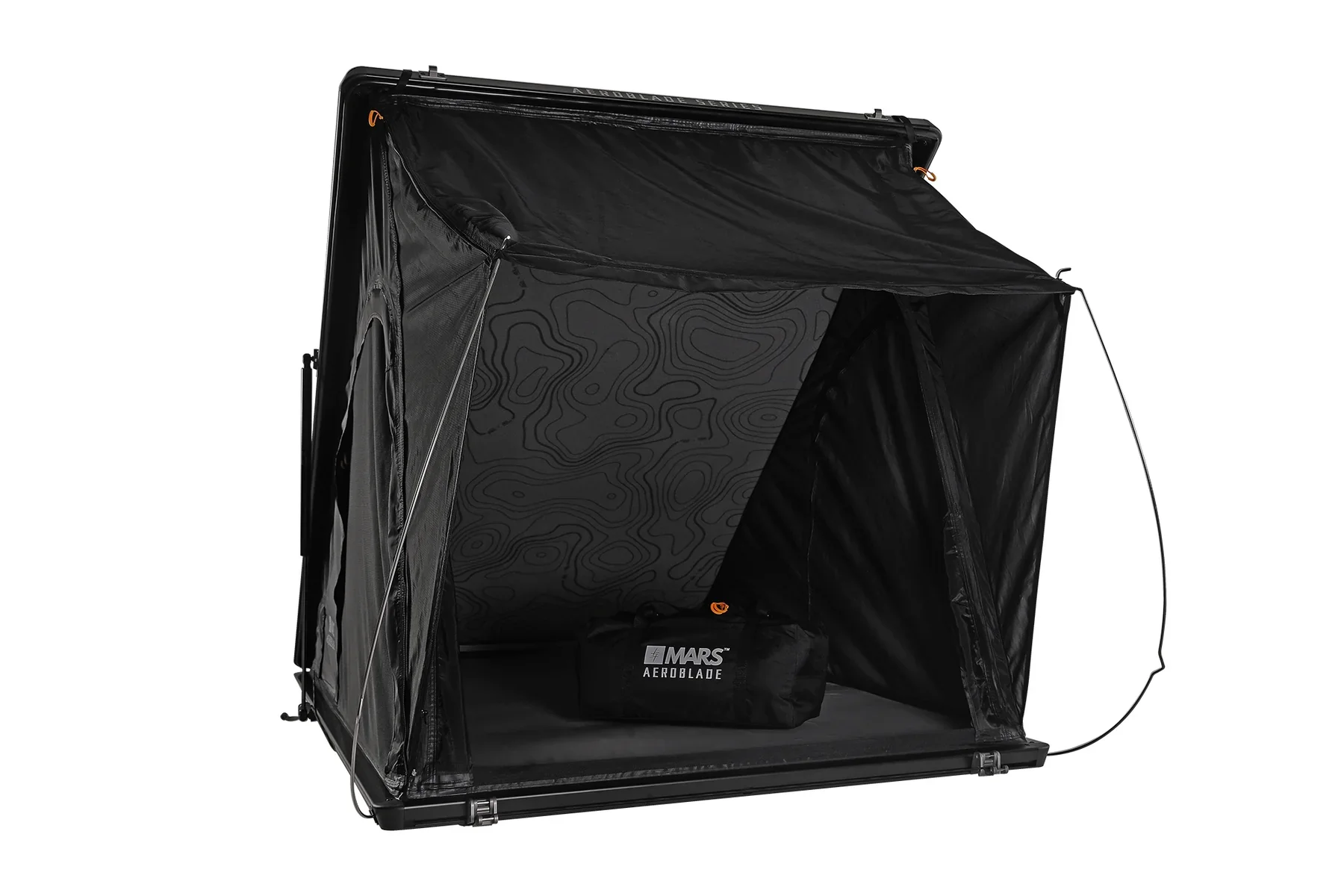 Image 3 of 12
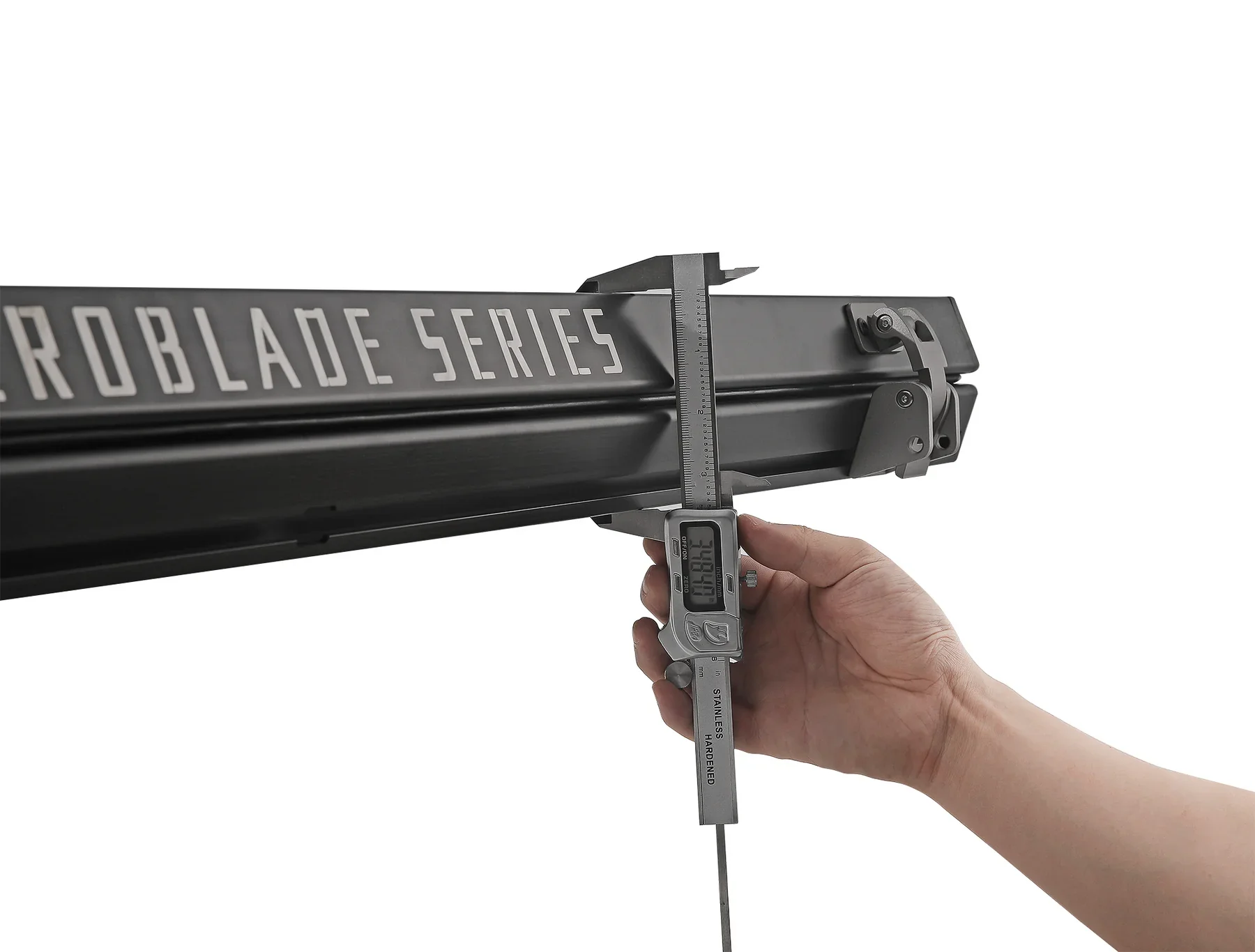 Image 4 of 12
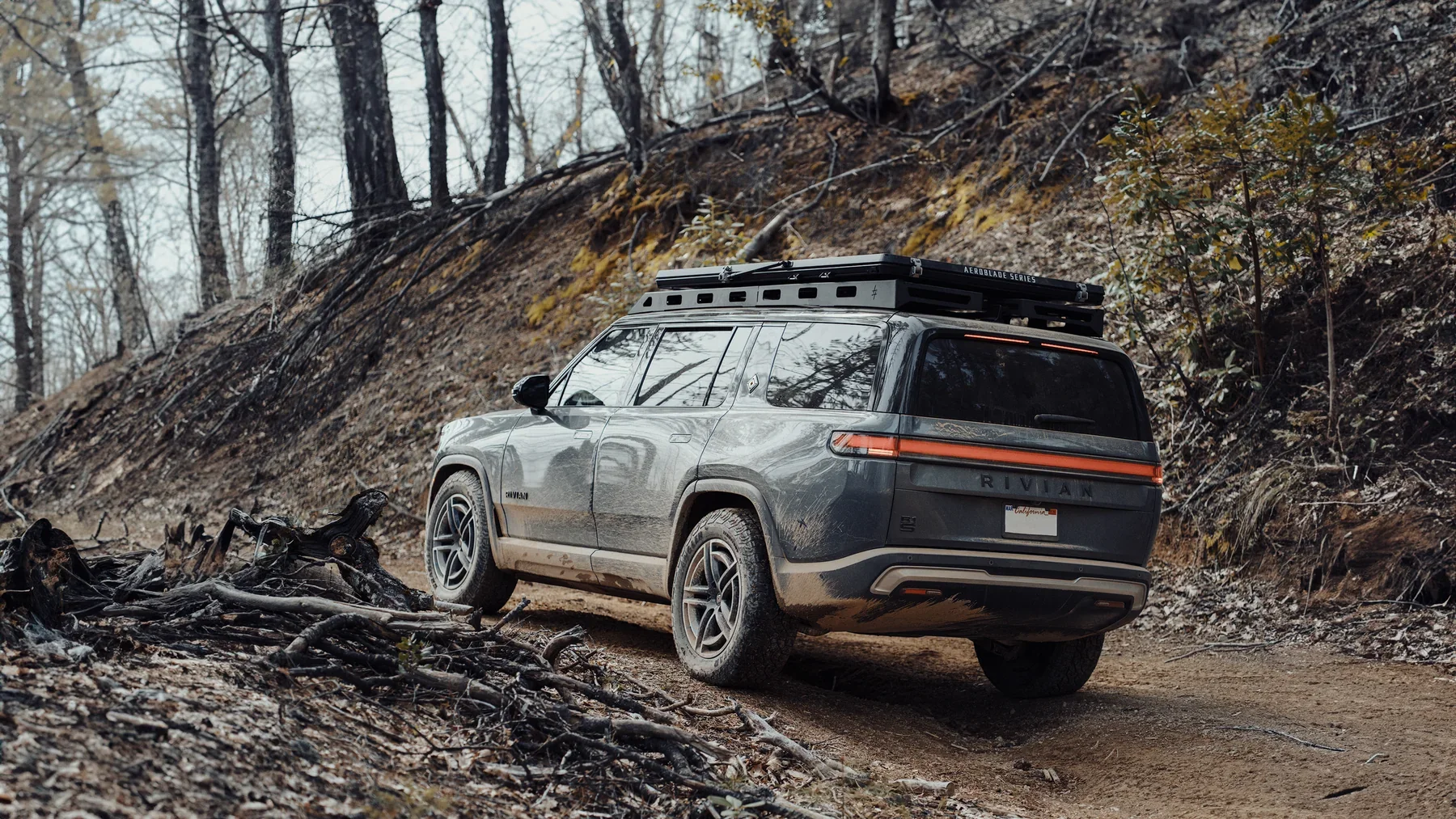 Image 5 of 12
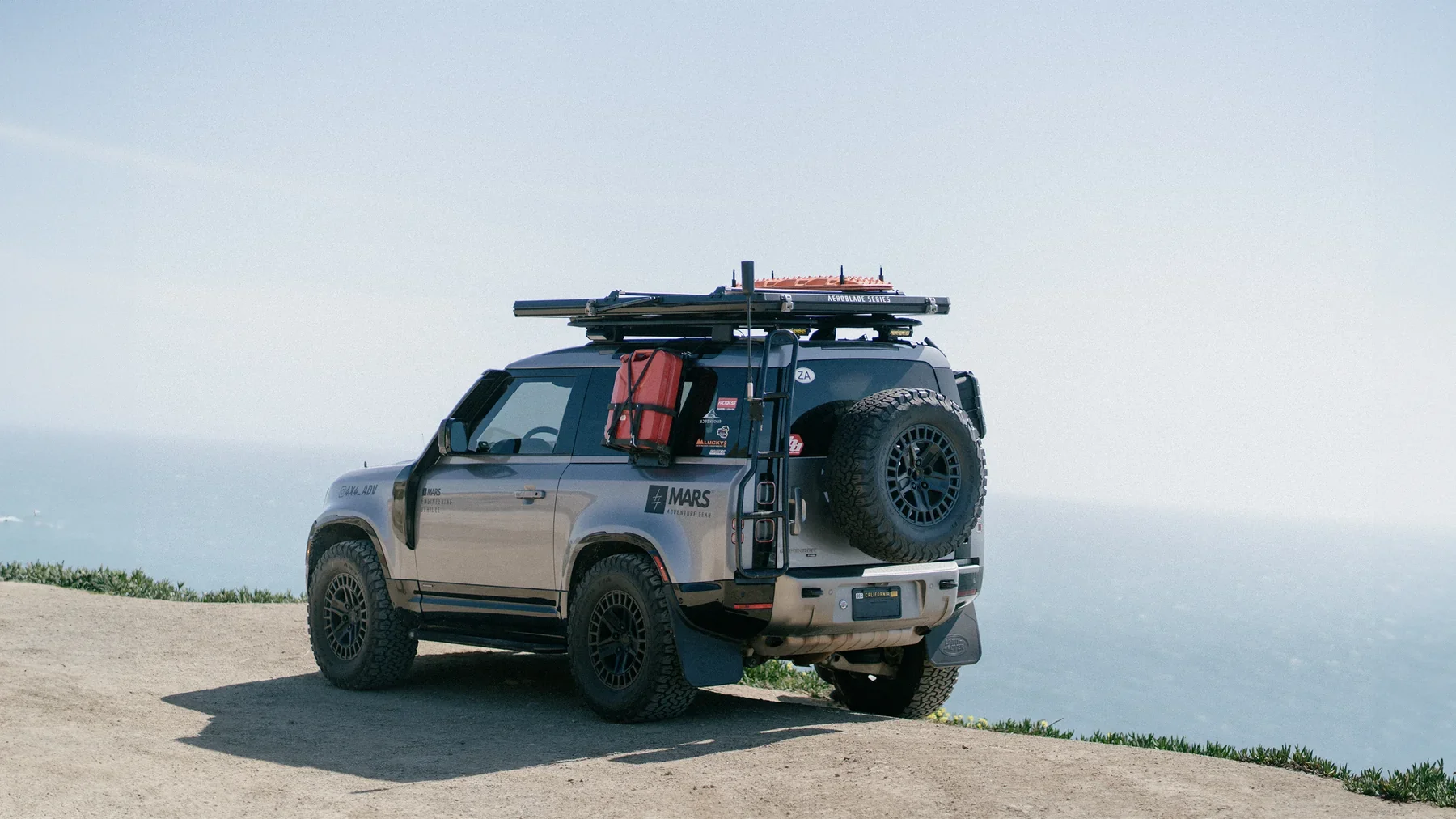 Image 6 of 12
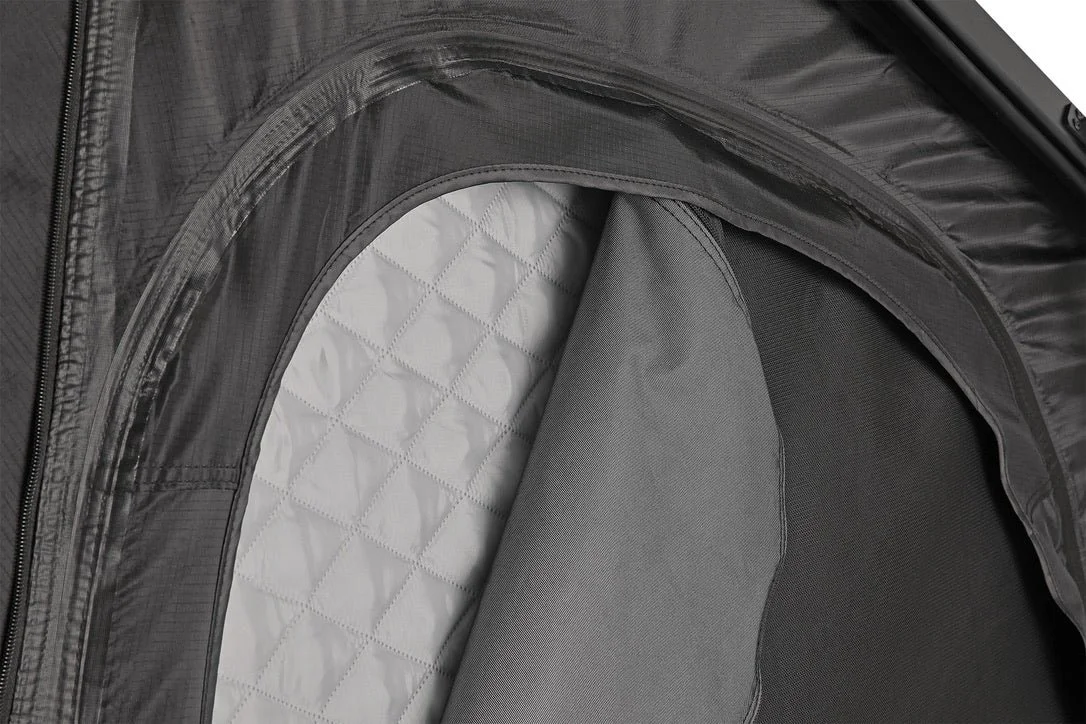 Image 7 of 12
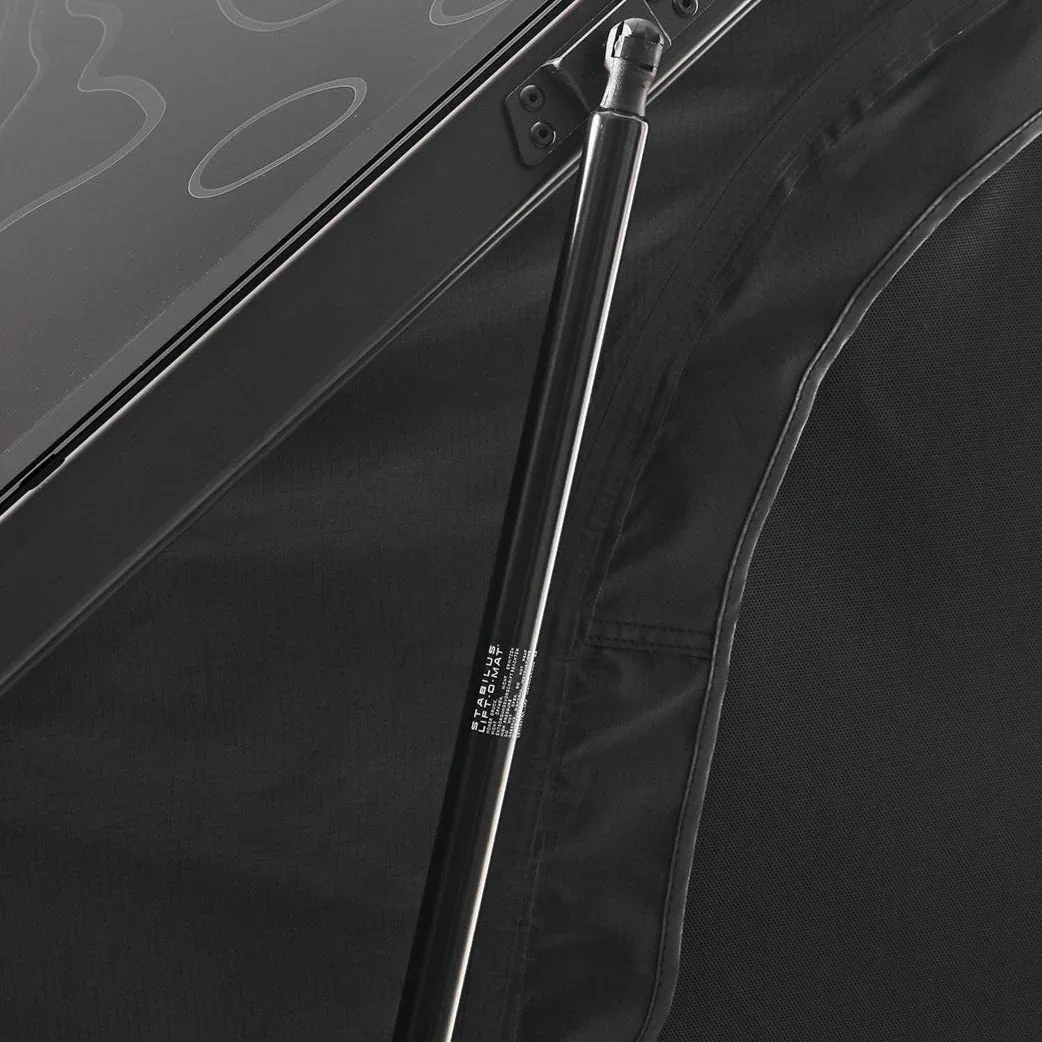 Image 8 of 12
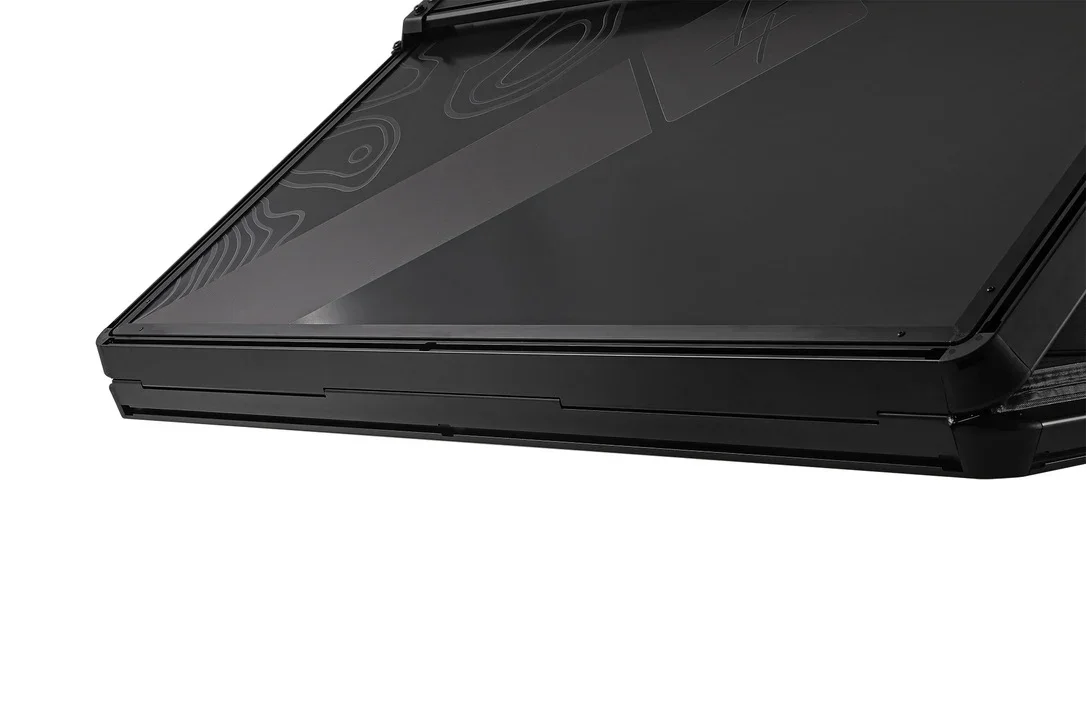 Image 9 of 12
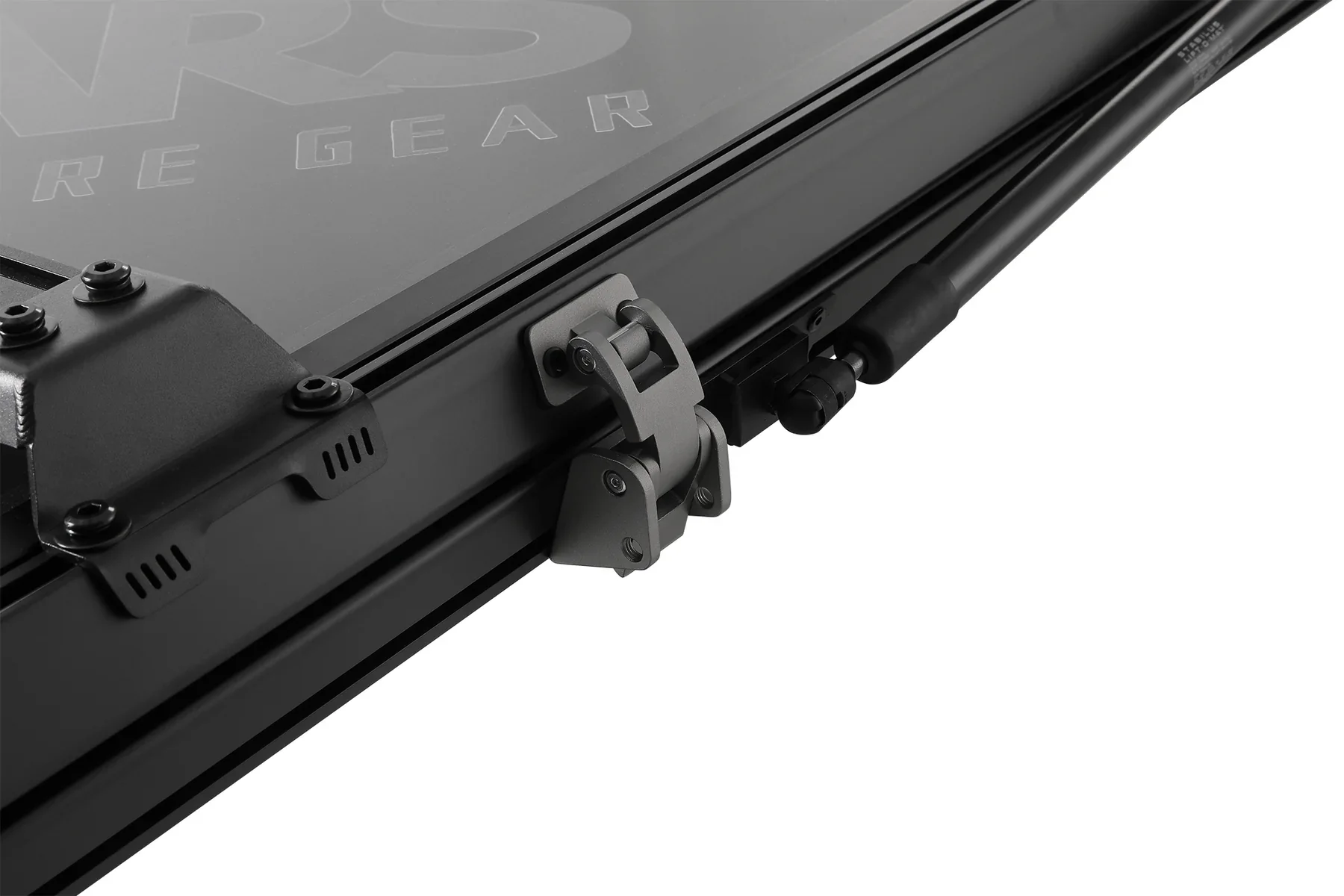 Image 10 of 12
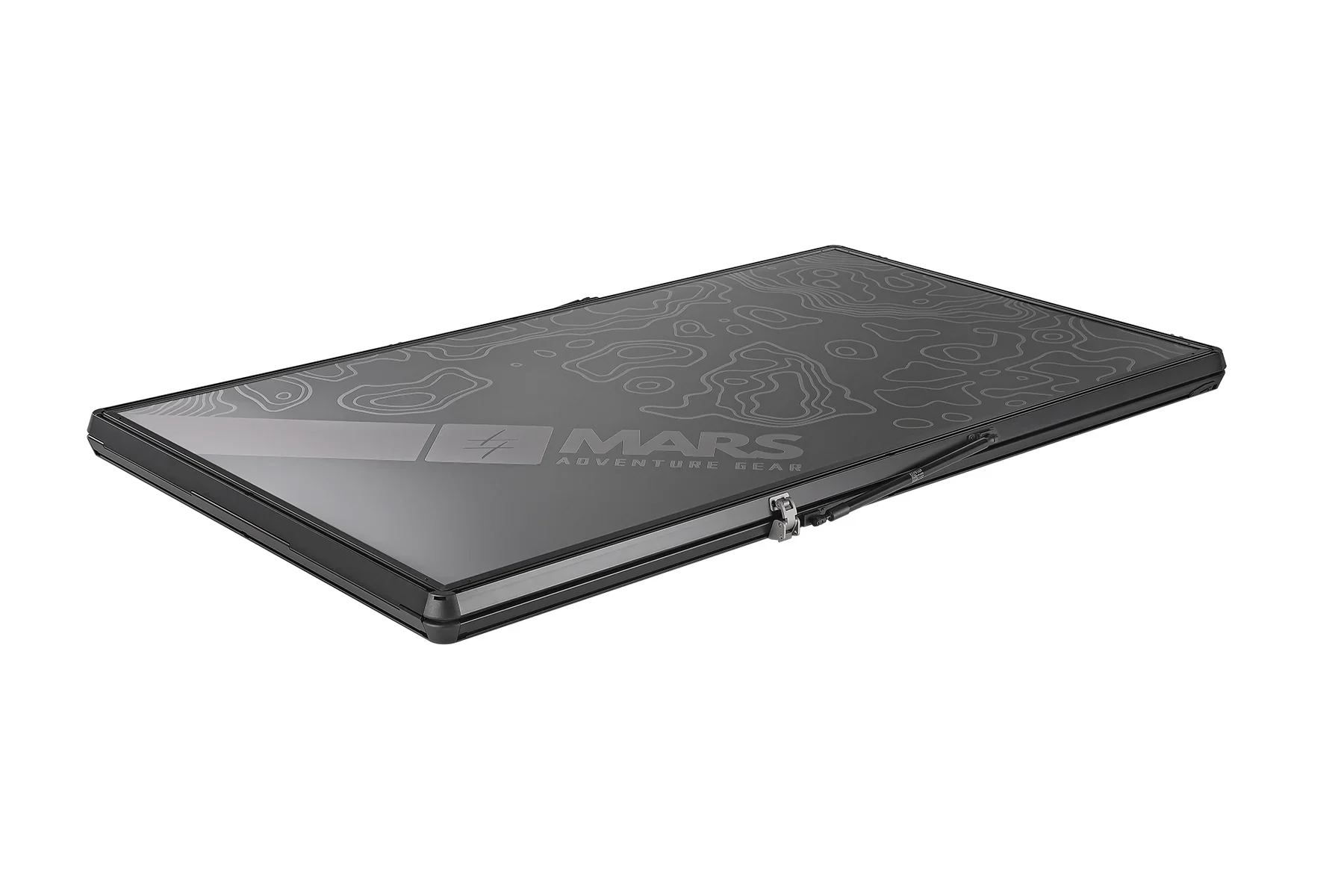 Image 11 of 12
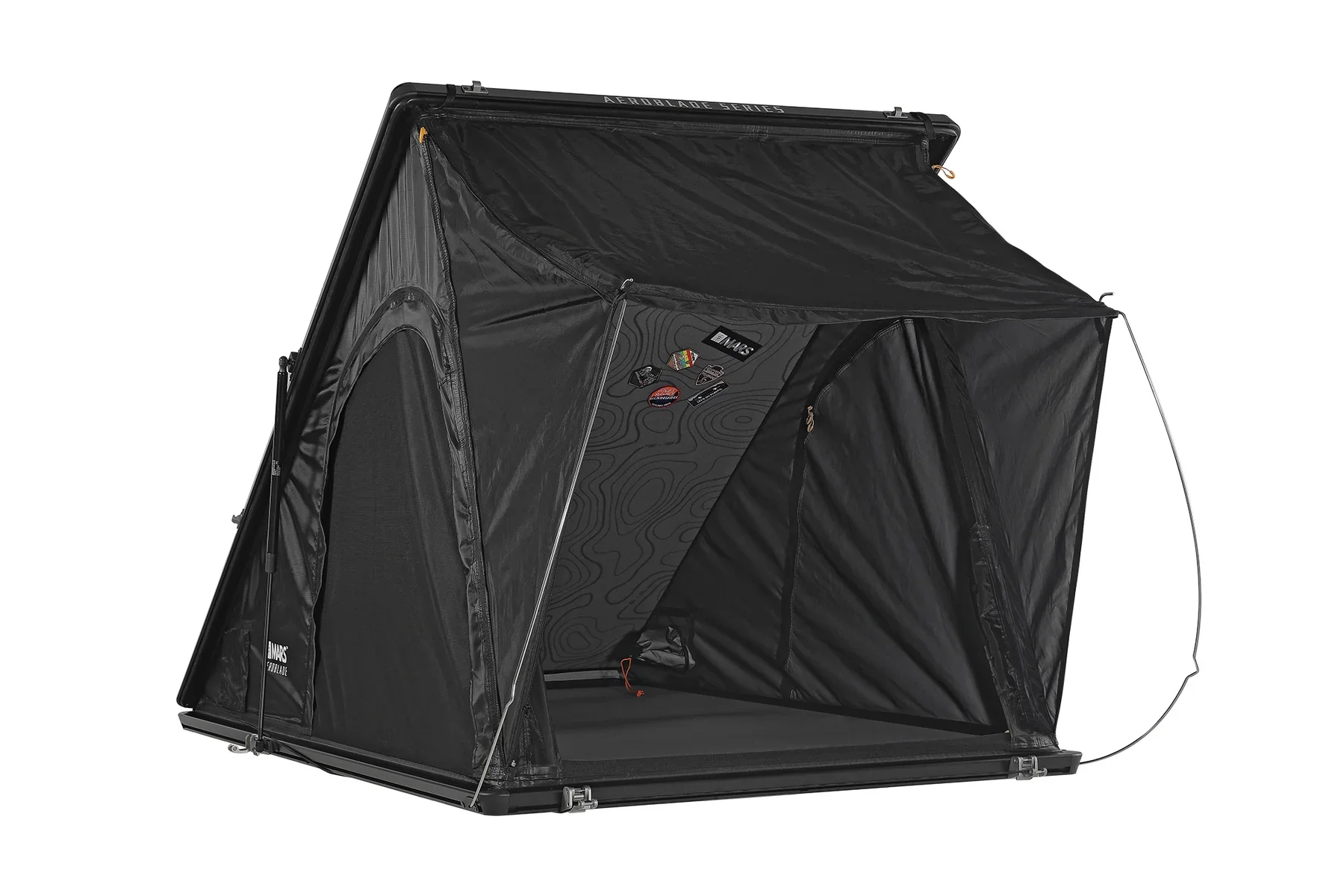 Image 12 of 12